
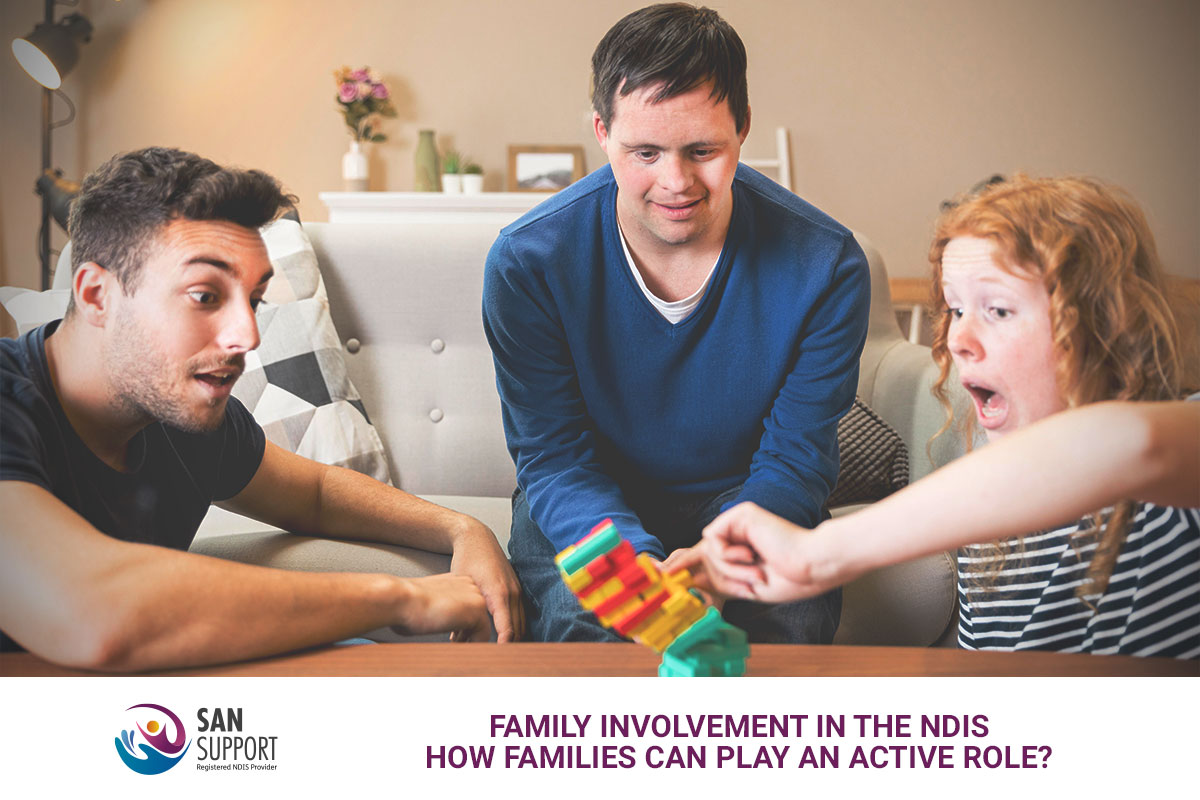
Family involvement in the NDIS plays a crucial role in helping participants achieve meaningful and sustainable outcomes. Across Australia, families and carers often provide consistent support, advocacy and guidance long before formal disability services begin.
When a participant starts their journey under the National Disability Insurance Scheme (NDIS), family members frequently become key partners in planning, coordination and long-term goal setting. Although the NDIS funds professional disability support services, families continue to provide emotional stability and practical assistance that strengthens the overall support network.
Why Family Involvement in the NDIS Matters
First, families bring deep personal knowledge of the participant’s daily routines, preferences, communication style and long-term aspirations. Because of this understanding, they can provide important context during planning meetings and reviews.
Families commonly:
- Advocate for the participant’s rights and preferences
- Explain daily living challenges and strengths
- Assist with communication during meetings
- Monitor whether supports align with agreed goals
- Maintain cultural and community connections
As a result, planners and providers gain a clearer and more accurate picture of the participant’s needs.
Active Participation in NDIS Planning and Reviews
Family involvement in the NDIS becomes particularly important during planning discussions and scheduled reviews. When families prepare in advance, they can contribute practical insights that improve the quality of decision-making.
During meetings, families can:
- Share examples of everyday support requirements
- Clarify what informal supports they can realistically provide
- Identify gaps where funded disability support services are necessary
- Suggest meaningful short-term and long-term goals
- Report changes in circumstances, health or mobility
Importantly, the NDIS considers informal supports when determining reasonable and necessary funding. Therefore, families should communicate openly about their capacity to ensure supports remain sustainable.
Balancing Informal Support and Funded Services
While families naturally provide care and encouragement, long-term caring responsibilities must remain manageable. For this reason, the NDIS funds professional services that complement informal care.
Funded supports may include:
- Assistance with personal care and daily living
- In-home supports that reduce pressure on carers
- Community participation programs
- Allied health services such as speech therapy, occupational therapy and physiotherapy
- Support coordination to organise and monitor services
By balancing informal family care with structured professional support, participants benefit from both emotional connection and specialised expertise. Consequently, families can maintain healthy relationships without becoming overwhelmed.
When Can Family Members Be Paid for Support?
Generally, the NDIS does not fund immediate family members to deliver paid supports. This guideline helps preserve natural family relationships and encourages participants to develop broader social connections.
However, in limited circumstances, exceptions may apply. These may include:
- Living in remote or isolated locations
- Cultural or religious considerations
- Complex support needs with no available providers
In such cases, the NDIA requires clear evidence and formal approval. Therefore, families should seek clarification before making assumptions about eligibility.
Supporting the Wellbeing of the Whole Family
Family involvement in the NDIS also means ensuring that carers receive appropriate support. When families feel supported, participants are more likely to experience stability and positive outcomes.
NDIS plans may include:
- Short-term accommodation (respite)
- Capacity building programs
- Behavioural support strategies
- Services that reduce daily caring pressure
- Community participation supports that promote independence
These supports help protect family wellbeing while maintaining a strong foundation of care.
Encouraging Community Participation
In addition to home-based support, families often encourage participants to engage in community activities. Community participation builds confidence, independence and social skills.
Families can strengthen participation by:
- Identifying suitable activities
- Encouraging gradual independence
- Communicating consistently with support workers
- Reinforcing skills learned through allied health programs
Through collaboration, families and providers create continuity across home and community environments.
Conclusion
Family involvement in the NDIS remains essential for achieving meaningful and sustainable outcomes. While the scheme provides funded disability support services, families continue to offer advocacy, stability and long-term encouragement.
By actively participating in planning, maintaining clear communication and balancing informal care with professional services, families help create structured and goal-focused support systems. Ultimately, when participants, families and providers work together, they build a collaborative network that promotes independence, inclusion and long-term wellbeing across Australia.