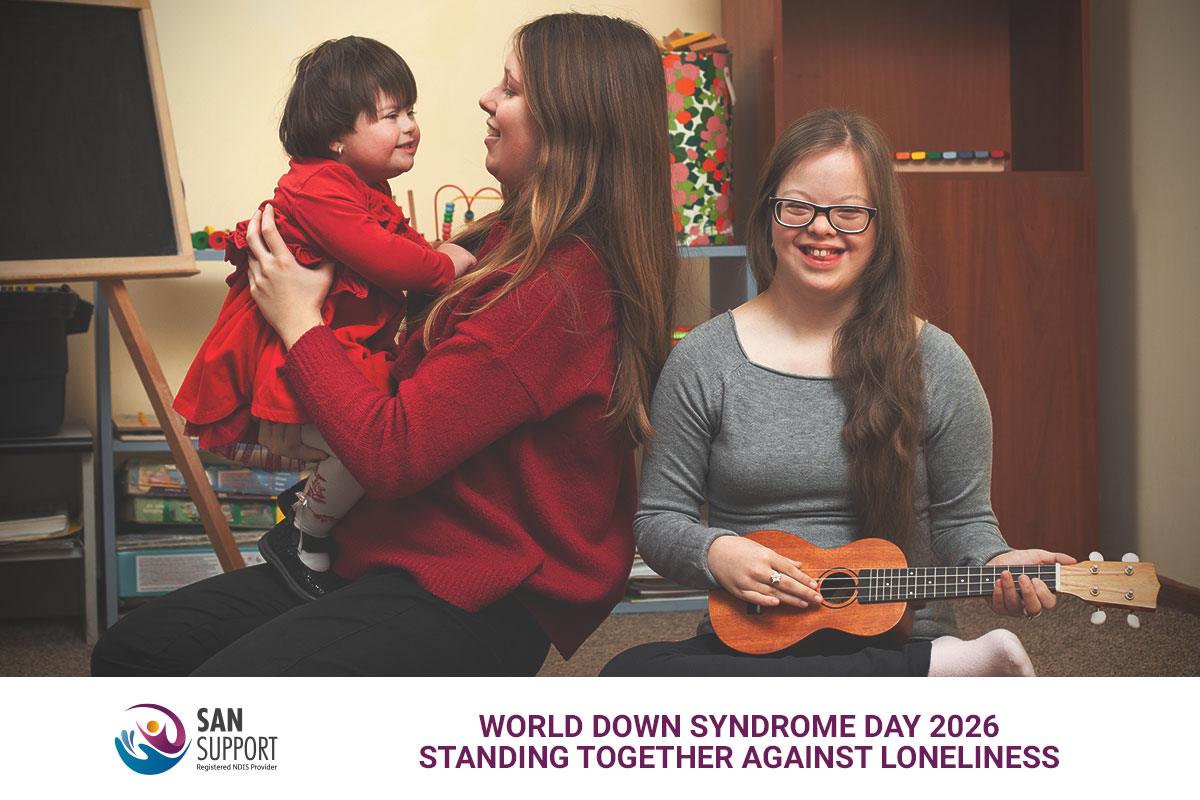
On 21 March, communities across the world will recognise World Down Syndrome Day 2026, a global awareness day dedicated to promoting inclusion, respect and equal rights for people with Down syndrome. Each year, this important date encourages individuals, families, educators, employers and service providers to reflect on how society can become more inclusive and connected.
Down syndrome is a genetic condition that occurs when a person has an extra copy of chromosome 21. This additional genetic material influences development and may affect learning, communication and some physical characteristics. However, people with Down syndrome are individuals first each with their own personality, talents, interests and goals. Like everyone else, they want meaningful relationships, opportunities and a strong sense of belonging.
This year’s theme, Together Against Loneliness, highlights a critical issue that affects many people with Down syndrome and other intellectual disabilities.
Why We Must Address Loneliness
Although everyone experiences loneliness at times, research shows that people with intellectual disabilities are significantly more likely to experience ongoing social isolation. Therefore, World Down Syndrome Day 2026 calls on communities to recognise loneliness as a serious social and wellbeing issue.
Loneliness may involve:
- Struggling to build or maintain friendships
- Feeling excluded in school or workplace settings
- Lacking close relationships to share thoughts and emotions
- Being present in social spaces without feeling truly included
Importantly, loneliness affects more than emotional wellbeing. Studies link prolonged isolation to increased anxiety, depression and reduced life satisfaction. Some research also suggests that chronic loneliness may negatively affect physical health.
These findings demonstrate that loneliness is not simply a personal experience it is often the result of social barriers, stigma and limited opportunities for meaningful inclusion.
Inclusion Requires More Than Access
Over the years, many communities have worked to improve physical access to schools, workplaces and public spaces. While accessibility is essential, it does not automatically create belonging.
For example, a student with Down syndrome may attend a mainstream classroom but struggle to form peer connections. Similarly, an adult may secure employment yet feel socially disconnected from colleagues.
True inclusion means actively involving individuals in decision-making, conversations and shared experiences. It requires organisations to:
- Encourage participation rather than passive attendance
- Value each person’s contribution
- Promote respectful communication
- Foster genuine friendships
- Create safe and welcoming environments
When communities prioritise belonging, they reduce isolation and strengthen social connection.
Practical Ways to Stand Together Against Loneliness
Although loneliness presents complex challenges, communities can take practical steps to address it.
Promote Genuine Inclusion
Schools and workplaces should actively involve people with Down syndrome in learning, collaboration and leadership opportunities. Inclusion works best when organisations create shared experiences rather than separate programs.
Create Welcoming Spaces
Communities must challenge stigma and discrimination. By promoting respectful language and inclusive attitudes, organisations can create environments where individuals feel safe and valued.
Encourage Meaningful Relationships
Friendships and supportive networks play a vital role in reducing loneliness. Inclusive sports programs, arts initiatives and community activities can help individuals build confidence and lasting connections.
Even small actions such as inviting someone to join a group activity or facilitating introductions can create meaningful change.
Connection as a Human Right
Connection and belonging are not optional extras; they are fundamental rights. The United Nations Convention on the Rights of Persons with Disabilities (CRPD) recognises the right of people with disability to live independently and participate fully in society.
These rights include:
- Living within the community
- Accessing inclusive education
- Participating in employment
- Forming relationships and families
- Engaging in cultural, recreational and social activities
When communities uphold these rights, they actively reduce isolation and promote social inclusion.
Conclusion
As World Down Syndrome Day 2026 approaches, communities have an opportunity to reflect on how they can strengthen inclusion and connection. While loneliness remains a challenge for many people with Down syndrome and intellectual disabilities, collective action can create lasting change.
By standing Together Against Loneliness, we affirm that everyone deserves friendship, respect and a genuine sense of belonging.
At SAN Support, we promote inclusive disability support services that encourage community participation and meaningful engagement.
Through person-centred supports, we continue working alongside individuals and families to help build stronger, more connected communities across Australia.